

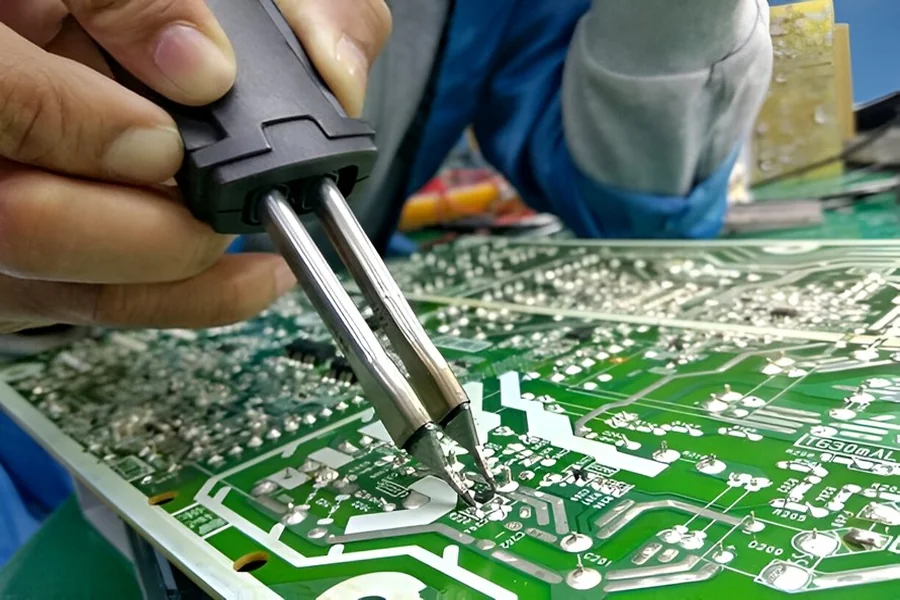
Box build assembly is an essential part of the electronics manufacturing process, involving the complete integration of components into a final, functional product enclosure. Unlike basic PCB assembly, which focuses on populating circuit boards, box build assembly covers a broader range of tasks such as wiring, harnessing, enclosure fabrication, subsystem installation, and full product testing. This makes it a critical service for companies looking to transform an assembled PCB into a ready-to-use electronic device.
In today’s rapidly advancing industries—from industrial automation to consumer electronics—box build assembly plays a foundational role in ensuring devices are structurally sound, electrically reliable, and fully prepared for end-user operation. Manufacturers rely on this service to reduce complexity, streamline workflows, and guarantee consistency from prototype to mass production.
What Makes Box Build Assembly Essential?
Box build assembly is important because it connects every component of an electronic system into one cohesive, functional unit. While PCB assembly focuses on micro-level tasks, box build assembly deals with the macro-level structure that houses and protects electronic circuits. This ensures that devices are not only electrically accurate but also physically durable and user-friendly.
The growing demand for more integrated, compact, and feature-rich products has elevated the need for advanced box build solutions. Whether it’s a small plastic housing for handheld devices or a large metal enclosure for industrial machinery, box build assembly ensures seamless integration of electronics, wiring, power systems, and mechanical parts.
Key Stages of Box Build Assembly
Enclosure Preparation
The enclosure, whether custom-made or off-the-shelf, forms the core structure of the box build assembly process. It must be prepared with precision so that all internal components fit correctly. Cutouts, mounting points, standoffs, and cable slots are carefully aligned to the design specifications.
Cable Harnessing and Wiring
Wiring is one of the most intricate aspects of box build assembly. It involves routing cables, connectors, and harnesses inside the enclosure. Proper cable management is crucial for safety, airflow, ease of maintenance, and long-term durability.
PCB Installation
Once the wiring is complete, assembled PCBs are installed inside the enclosure. This step requires precise alignment with mounting holes, connectors, and interface points. Incorrect installation can lead to signal loss, overheating, or mechanical stress.
Integration of Subsystems
Depending on the product, box build assembly may also involve integrating displays, switches, sensors, fans, antennas, power supplies, batteries, or mechanical assemblies. Each subsystem must align with the project’s electrical and mechanical design to ensure flawless functionality.
Software Loading and Configuration
Many box build devices require firmware installation or software configuration before final testing. This step ensures the product is fully operational and ready for deployment.
Final Testing and Quality Assurance
Testing is the most critical phase of box build assembly. It may include functional testing, burn-in testing, insulation checks, continuity checks, and quality verification. The goal is to guarantee that every unit performs exactly as intended and meets safety, compliance, and performance standards.
Why Box Build Assembly Improves Efficiency
Reduces Production Complexity
Instead of managing multiple vendors for PCB assembly, wiring, enclosure integration, and testing, companies can rely on a single provider offering end-to-end box build solutions. This reduces logistical challenges and speeds up time to market.
Ensures Higher Product Reliability
With consistent, controlled assembly processes, the risk of wiring issues, loose connections, or structural defects becomes significantly lower. Better reliability translates to fewer field failures and improved customer satisfaction.
Supports Scalability
From low-volume prototypes to high-volume production runs, box build assembly enables manufacturers to scale quickly without compromising quality. This is especially valuable for startups, industrial manufacturers, and global electronics brands.
Enhances Product Design
Experienced box build providers can offer design insights, helping improve the structure, thermal performance, and manufacturability of the final product. Better design leads to smoother production and longer device life.
Applications of Box Build Assembly
Industrial Machinery
Complex control panels, automation modules, and heavy-duty enclosures require robust box build processes to withstand harsh environments.
Consumer Electronics
Devices such as routers, smart home systems, power adapters, and gaming equipment often rely on compact and precise box build assembly.
Medical Devices
Medical equipment demands error-free integration, clean assembly environments, and stringent quality checks—all supported by professional box build services.
Telecommunications
Telecom equipment including network switches, fiber distribution hubs, and communication terminals depend heavily on accurate wiring and structural integrity provided through box build assembly.
Box Build Assembly Challenges and Best Practices
Managing Component Variability
Different enclosures, cable types, and PCB shapes require flexible assembly processes. A skilled team ensures compatibility and consistent quality.
Ensuring Proper Heat Management
Devices with high power consumption or dense layouts require efficient cooling solutions. Proper airflow design, heat sinks, and fans must be integrated during the assembly phase.
Maintaining Clean and Organized Cabling
Cluttered wiring can hinder performance and maintenance. Structured cable routing enhances safety, reduces interference, and improves airflow.
Strict Testing Protocols
Following industry-specific testing standards ensures each unit is safe, stable, and fully functional.
Final Thoughts: Choosing the Right Partner for Box Build Assembly
Box build assembly is more than placing a PCB inside an enclosure—it is a complete product integration process where electronics, mechanics, wiring, and design all come together. A reliable partner ensures your product is assembled with precision, tested thoroughly, and delivered ready for market use. For dependable, high-quality integration that meets global standards, choosing a trusted provider like ChinaPCBA can help you streamline your full box build assembly workflow with confidence, efficiency, and expert support.
