

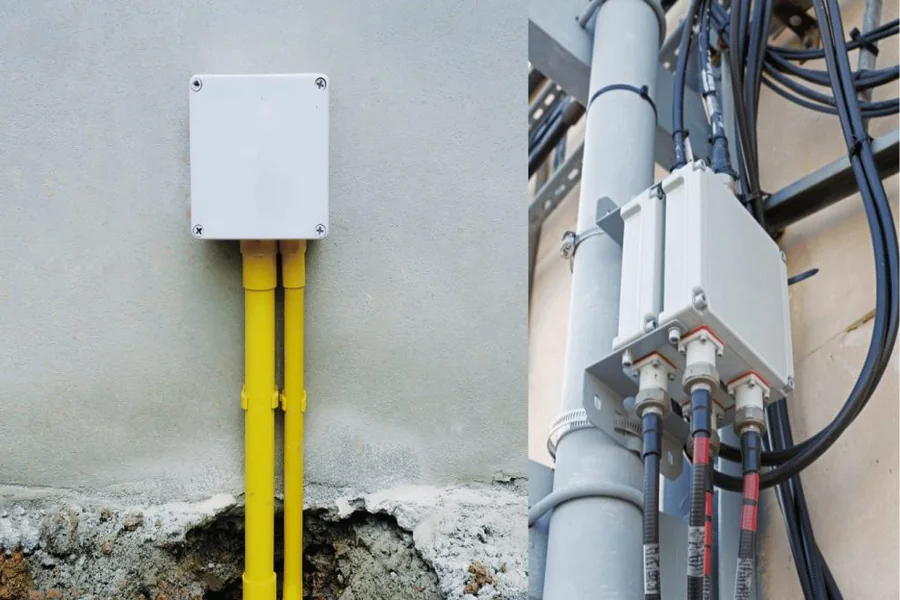
In environments where water is not just a possibility but a constant condition, electrical protection becomes far more than a convenience. It becomes essential. Whether the setting is an underwater monitoring system, an aquaculture site, a wastewater facility, or offshore infrastructure, electrical connections must remain safe, stable, and sealed against moisture. That is where the submersible junction box becomes so important.
At a glance, it may seem like a simple protective enclosure. In practice, it plays a major role in keeping underwater and wet-location systems working reliably. It shields electrical connections from water intrusion, helps reduce the risk of short circuits and corrosion, and supports the long-term performance of equipment that may be difficult or expensive to access once installed.
As marine technology, renewable energy systems, industrial water management, and underwater research continue to expand, the need for dependable connection points grows with them. A well-designed submersible junction box supports not only safety, but also efficiency, maintenance planning, and equipment longevity.
This guide takes a closer look at how these boxes are built, why their design matters, where they are used, and how new technology is shaping their future.
What a Submersible Junction Box Is Designed to Do
A submersible junction box is a sealed enclosure built to protect electrical connections in wet, submerged, or high-moisture environments. Unlike a standard junction box, which may be sufficient for dry indoor use, this type of enclosure is specifically engineered to resist water intrusion while maintaining electrical integrity.
Its job is straightforward but critical. It provides a secure point where wires can be joined, routed, or protected without exposing those connections to the surrounding environment. In underwater or flood-prone conditions, that level of protection is essential.
Without that protection, moisture can enter the enclosure and lead to corrosion, insulation breakdown, short circuits, or equipment failure. In more serious cases, water intrusion can create hazards for both people and infrastructure. A properly built submersible junction box helps prevent those issues by creating a barrier between vulnerable electrical components and the environment around them.
This makes it a key component in any system where water exposure is continuous, unpredictable, or unavoidable.
Why Waterproof Design Matters So Much
The defining feature of a submersible junction box is its ability to remain watertight under demanding conditions. That ability does not come from one single design choice. It comes from several layers of protection working together.
High-quality sealing systems are central to this. Many boxes use gaskets, o-rings, compression seals, and encapsulating compounds to block water from entering through joints, cable entry points, or seams. These materials are chosen carefully because they must stay reliable even after prolonged exposure to pressure, temperature changes, vibration, or chemical contact.
The shape of the enclosure matters too. Better designs reduce weak points and avoid unnecessary openings or edges where moisture could collect. Some models also include pressure-management features to help the box perform consistently at different depths or under changing environmental conditions.
The result is not just resistance to splashing or temporary wetness. It is a much stronger level of protection intended for environments where failure is not a minor inconvenience, but a serious operational problem.
Materials Make a Major Difference
A junction box is only as reliable as the materials it is made from. In submerged settings, material choice directly affects performance, lifespan, and maintenance needs.
Polycarbonate is a common option because it is lightweight, impact-resistant, and electrically insulating. It works well in many environments where durability is important but extreme corrosion is not the central concern.
Stainless steel is often used where strength and corrosion resistance are both critical. In marine environments, especially those involving saltwater, marine-grade stainless steel is especially valuable because it stands up better to rust and surface degradation than many lower-grade metals.
Fiberglass-reinforced materials are another strong option. These combine strength with low weight and can perform well in chemically aggressive environments. In some industrial settings, they are preferred because they resist both moisture and chemical exposure without adding unnecessary bulk.
The best material depends on the specific use case. A submersible junction box for freshwater monitoring may not need the same build as one used offshore or in an industrial treatment system. That is why material selection should always match the actual environment, not just the general category of “wet use.”
How Modern Design Has Improved Performance
Submersible electrical products have become more advanced over time, and junction boxes are no exception. Modern designs often go beyond simple waterproofing to include features that improve installation, monitoring, and service life.
One major improvement is modular design. Some boxes are now built to simplify cable routing, maintenance access, and configuration changes. This matters because many submerged or water-adjacent systems are difficult to reach once they are deployed. Easier installation and servicing can save significant time and labor later.
Another development is the integration of sensors and smart monitoring. Some advanced boxes can support systems that track pressure, temperature, moisture conditions, or equipment status in real time. This improves visibility and helps operators respond earlier if something begins to go wrong.
Manufacturing methods have evolved too. More precise fabrication and custom production options allow boxes to be tailored to specific environments or equipment layouts. In industries where conditions vary widely, that flexibility is a major advantage.
These improvements are changing the role of the submersible junction box from a basic enclosure into a more strategic part of larger electrical and monitoring systems.
Safety Benefits in High-Risk Environments
Safety is one of the strongest reasons to use a submersible junction box rather than a standard enclosure. Water and electricity are an obvious hazard together, and poor protection can lead to serious consequences.
In wet industrial sites, marine installations, and underwater systems, a failed electrical connection can cause much more than equipment downtime. It can damage expensive assets, interrupt critical operations, or create shock and fire risks in adjacent systems. In hazardous locations, the consequences can be even greater.
By sealing and protecting wiring connections, submersible junction boxes reduce the likelihood of water-related electrical failure. They also support safer compliance with codes and installation standards for demanding environments.
This is especially important in sectors such as offshore energy, underwater construction, wastewater treatment, and marine transport, where electrical systems may be exposed to constant moisture or submerged conditions for long periods. In those settings, safety depends not only on the quality of the wiring, but also on the enclosure protecting it.
The Long-Term Cost Advantage
At first, a specialized waterproof enclosure may seem like a more expensive option than a standard alternative. But over time, the cost picture usually changes.
A well-made submersible junction box is designed to reduce failures, replacements, and emergency repairs. In environments where access is difficult, that matters a great deal. A failure in an underwater cable system or in submerged industrial equipment often costs much more to fix than the price difference between a standard enclosure and a proper submersible one.
There is also the issue of downtime. If a connection fails, the surrounding system may have to shut down until repairs are made. That can interrupt production, research activity, water treatment, or energy generation. Those interruptions often carry costs far beyond the component itself.
When viewed over the life of the system, reliable protection often proves to be the more economical choice. Fewer failures, longer service intervals, and lower maintenance demands all contribute to a stronger total value.
Supporting Sustainability and Environmental Standards
Sustainability is becoming more important in infrastructure and industrial design, and electrical components are part of that conversation too.
A durable submersible junction box contributes to sustainability in a simple but meaningful way: it lasts longer. Components that do not need frequent replacement reduce waste, reduce manufacturing demand, and lower the environmental burden associated with disposal and reinstallation.
Material choices also matter. Some manufacturers now place greater emphasis on corrosion-resistant, long-life, and lower-impact materials, as well as production methods that reduce waste. These shifts align with broader efforts to improve environmental responsibility in marine and industrial projects.
In addition, reliable waterproof protection helps prevent failures that could damage surrounding systems or lead to environmental incidents. In sectors like marine monitoring, water treatment, and renewable energy, that reliability supports both operational and environmental goals.
Where Submersible Junction Boxes Are Commonly Used
The practical value of a submersible junction box becomes easiest to understand when looking at where it is actually used.
Underwater Infrastructure
Submarine cables, underwater monitoring equipment, offshore platforms, and seabed instrumentation all rely on protected electrical connections. Junction boxes help keep power and data moving through these systems despite pressure, movement, and exposure to water.
Aquaculture and Fish Farming
In aquaculture, electrical systems power aerators, pumps, feeders, sensors, and monitoring devices. Because this equipment operates near or in water, secure waterproof enclosures are essential for reliable daily operation.
Wastewater and Water Treatment Facilities
These facilities often use submerged pumps, valves, and sensors in wet wells, tanks, or treatment basins. A junction box built for submersion helps protect essential electrical connections in conditions where constant moisture is unavoidable.
Hydropower and Renewable Energy
Hydropower systems and some marine renewable energy technologies use electrical components in harsh wet environments. Junction boxes help protect the infrastructure that allows these systems to function consistently.
Marine Research and Ocean Exploration
Researchers depend on underwater vehicles, sensor arrays, cameras, and data collection instruments to study marine ecosystems and ocean conditions. Those systems need dependable power and communication links, and protected junction points are a key part of that setup.
Why Marine Research Especially Benefits
Marine research deserves special attention because it often operates in some of the most demanding conditions. Equipment may be deployed at depth, exposed to pressure, saltwater, biological growth, and long operating durations with limited maintenance access.
In those conditions, a submersible junction box supports both reliability and data integrity. If a connection fails, the result may not just be a repair bill. It may mean lost research time, incomplete data collection, or the failure of an entire monitoring mission.
Modern research systems often use arrays of sensors that measure temperature, salinity, pressure, currents, chemical conditions, or biological activity. The electrical and data pathways connecting those instruments must remain stable for results to be trusted. That is one reason waterproof electrical protection is so central to ocean research and environmental monitoring.
The Growing Role of Smart Technology
Like many industrial components, junction boxes are starting to become more connected and more intelligent. The rise of the Internet of Things has influenced underwater and marine systems as well.
Embedded sensors, telemetry, and remote monitoring tools now allow some electrical enclosures to report on their status and surroundings. This can help operators detect pressure changes, temperature issues, or moisture-related concerns before failure occurs.
That shift matters because it changes maintenance from reactive to proactive. Instead of waiting for a breakdown, teams can identify signs of stress earlier and act before the problem disrupts the system.
In the future, the submersible junction box may become an even more integrated part of larger smart marine and industrial networks, contributing not only protection but also useful system intelligence.
Future Manufacturing Trends
Advanced manufacturing methods are also changing how these boxes are designed and produced. Precision fabrication, custom molding, and additive manufacturing techniques are giving manufacturers more flexibility in shape, fit, and performance.
Custom designs can be especially useful when off-the-shelf sizes do not suit a highly specific deployment environment. Better manufacturing also supports material efficiency, shorter lead times, and more refined sealing details.
As underwater systems become more specialized, the ability to create application-specific enclosures will likely become even more important.
Final Thoughts
A submersible junction box may not be the most visible part of an underwater or wet-location electrical system, but it is often one of the most important. It protects critical connections, supports safety, reduces failure risk, and helps keep complex systems running in environments where moisture is a constant threat.
Its value goes well beyond waterproofing alone. A well-designed submersible junction box supports cost efficiency, durability, environmental responsibility, and long-term reliability across industries ranging from marine research to wastewater treatment and renewable energy.
As underwater technology continues to advance, the need for dependable electrical protection will only grow. And in that landscape, the submersible junction box will remain a quiet but essential part of the infrastructure that makes those systems possible.
