

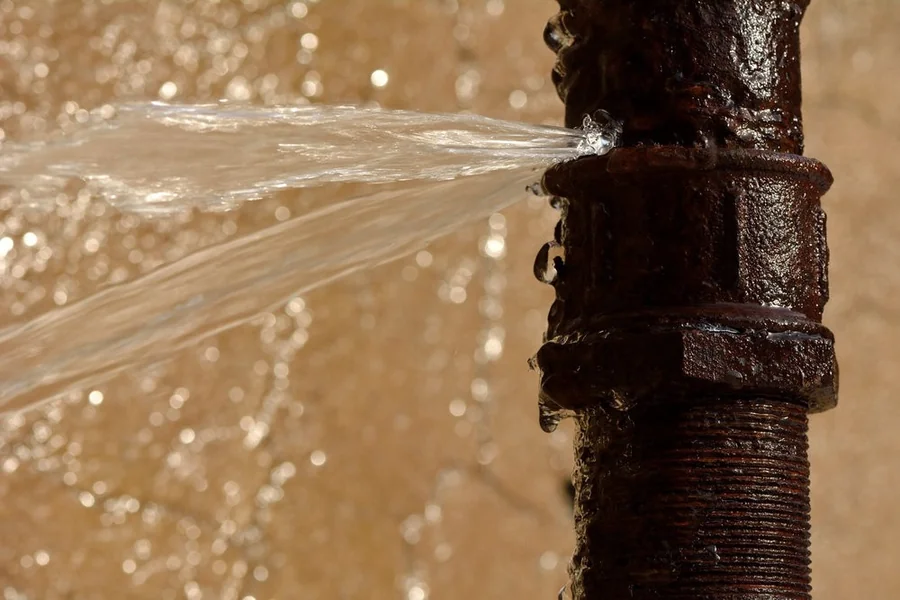
Any homeowner would be terrified at the mere prospect of returning home to a leak and busted tubes. For many, however, it is an unhappy reality.
Do you understand what to do if a pipe in your house bursts? To discuss these crucial, urgent initial actions. We’ve talked with professionals in the plumbing, restoration, and insurance claims industries. Also, get a free estimate for these kinds of services in Brooklyn.
Continue reading to find out how to spot the warning symptoms of a broken piping system. What to do immediately if it bursts in the house. And how to keep them from being frozen in the first instance.
Indications of a Broken Pipe
Before significant damage happens, it may occasionally exhibit warning indications. Keep an eye out for the following typical signs of a rupture:
- Variable water pressure.
- Rusty, discolored water with an odd odor.
- Clanging sounds coming from tubes behind walls.
- An unexpected spike in your water bill.
- Puddles are developing beneath your sinks.
What to Do Right Away If a Pipe Bursts
-
Drain the faucets and turn off the water.
When you discover a busted duct, you should immediately turn off your supply. Your chances of reducing damage are higher as soon as you can take this action. Most likely, the main supply shut-off valve is in your basement, crawl area, or next to your heater.
To empty the last of the chilly water in your tubing, you ought to turn on your taps after turning off the source. In addition to relieving pressure in your system. This can assist keep other places from freezing.
After that, flush every toilet in the house. Any leaks should cease as soon as the taps are no longer leaking.
Turning off your electricity can also be necessary, depending on the extent and location of the leak. This is a crucial precaution to take. If you think the leak may have come into touch with your fuse box or any electrical outlets.
By the way, check out https://www.ny-engineers.com/blog/common-electrical-issues-in-pre-war-apartments, especially if your homes are quite old.
-
Find the Pipeline That Burst
Finding the location of the rupture should be your next course of action. Be cautious while entering rooms and keep an eye out for protruding ceilings. And other indicators that water damage has occurred before.
If it seems to have continuously leaked for some time. If the leak is discovered early enough, collect the dripping liquid in a bucket beneath.
-
Make a Professional Help Request
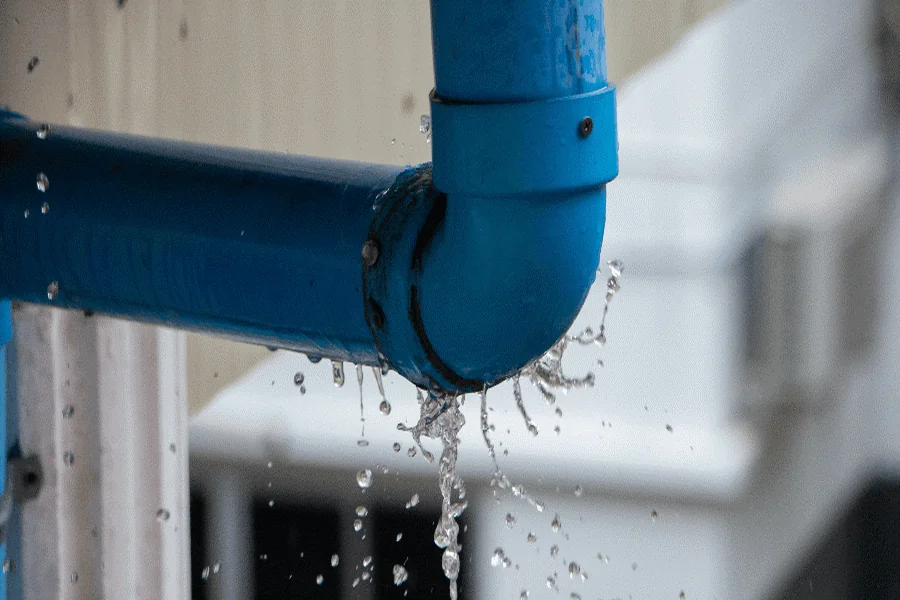
Hire professionals to do repairs as soon as you can. To repair or replace your busted pipes, use a qualified plumber. If your electrical system is damaged, you should also call in a trustworthy electrician.
Although prices might vary depending on location. Also, the degree of the damage and whether emergency after-hours assistance is required. The typical homeowner takes about $4,000 on repair and cleaning, according to Home Advisor.
-
Keep a record of any damage so you may file an insurance claim.
If it appears to have caused considerable damage. You should start taking pictures of the damaged regions right once and keep doing so throughout the process. Take a close-up picture of anything that is broken. Including lines and objects that have been harmed by water.
After placing a tape measure to indicate the level. Back up to snap pictures from various perspectives that highlight the damaged regions of your house. To get a video of the leak, they also advise temporarily switching the supply back on.
It is crucial to make a claim or assistance as soon as you discover the leak. Because, after the damage takes place. You usually have three days before mold starts to form and microorganisms spread.
You can speak with an official adjuster in your region. If you’re having problems comprehending what your homeowners’ insurance policy covers. Before you file a claim, they will often provide you with a free policy review. So you know what to anticipate – this website is helpful.
-
Begin tidying up.
Drying the damp portions of your home as soon as possible is crucial if it has caused flooding. Mold has a larger possibility of growing and causing more substantial, long-term harm the longer it sits.
Ways to Avoid Freezing Pipes
Any homeowner would naturally wish to avoid the tense. And frequently costly situations of having their home flooded by a burst pipe. So, how can you avoid future freezing and bursts?
The following are the best preventative strategies:
- When the weather becomes chilly, emptying outside hoses.
- Insulating in unheated spaces, including the attic, garage, or unfinished basement.
Pro Tip: Self-sealing insulation for simple do-it-yourself connection is available at home improvement stores.
- Maintain a constant setting on your thermostat. And ensuring that the temperature in your house never falls below 55 degrees Fahrenheit.
- When it’s below freezing, let cold liquid substance trickle from your faucets.
