

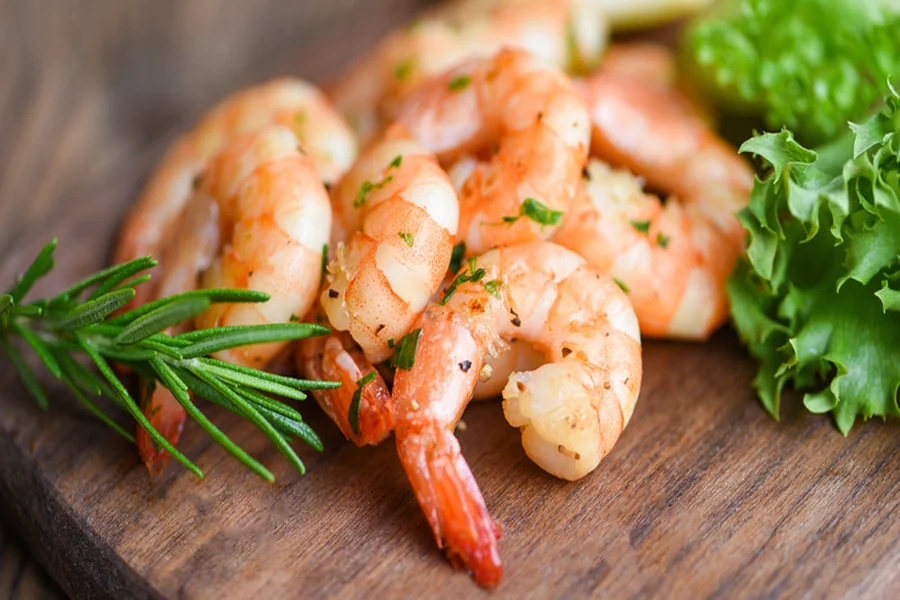
Most people walk past them in the supermarket without a second thought. The jar sits there, small and unassuming, usually somewhere between the tinned fish and the pickled vegetables. Shrimps in brine don’t have the visual appeal of a fresh catch at the fish counter, and they don’t carry the reputation of a premium ingredient. But in professional kitchens across Scandinavia, they have been a staple for decades, and once you understand why, it is hard to go back to ignoring them.
The product is straightforward: cold-water shrimps, cooked and preserved in a light salt brine, ready to eat straight from the jar. What makes the difference is what goes into them. The best versions use hand-peeled shrimps from the North Atlantic, caught in the waters around Greenland and Canada, with nothing added beyond the brine itself. No stabilisers, no additives. Suppliers like Coldwater United Seafood have built their reputation specifically on that standard, supplying restaurants and fish shops across Scandinavia with hand-peeled shrimps in brine that go directly into some of the region’s most well-known dishes.
The brine does more than preserve. It keeps the shrimps moist and tender in a way that freezing often doesn’t, and the light salinity seasons them without overpowering the natural sweetness that cold-water shrimps are known for. Open a pot of good brined shrimps and they are genuinely ready to eat: no defrosting, no cooking, no prep beyond draining them. That convenience is real, and it matters when you are building a meal quickly.
Where They Work Best
The classic application is the open sandwich. Scandinavian shrimp sandwiches, piled high on toast or rye bread with mayonnaise, lemon, and dill, are built on brined cold-water shrimps. It is a simple combination that works because the shrimps have enough flavour to carry the dish without needing much support. The same logic applies to skagenröra, the Swedish prawn mix with crème fraîche and red onion that appears on menus from Stockholm to Copenhagen.
Beyond the Sandwich
The versatility extends well beyond Scandinavian tradition. Stir brined shrimps through a warm pasta at the last minute and you have a quick weeknight dinner that takes about as long as boiling the water. They work well in green salads, especially with avocado, cucumber, and a sharp dressing. Add them to a fish soup or chowder at the end of cooking; the heat is enough to warm them through without making them rubbery. Even scrambled eggs with brined shrimps on top, a staple of Swedish home cooking, turn out to be a combination that makes immediate sense.
A Word on Quality and Sustainability
Not all jarred shrimps are the same. The gap between a good product and a mediocre one is noticeable in texture, in flavour, and in what the label does or doesn’t tell you. When buying shrimps in brine, it is worth checking whether they carry MSC certification, the internationally recognised standard for sustainable wild fisheries. Cold-water shrimp fisheries in the North Atlantic are among the best managed in the world, and the certification is a reliable indicator that the product has been sourced responsibly. It is also worth reading the ingredients list: a short one, with just shrimps, water, and salt, is a good sign.
There is also a nutritional case to be made. Cold-water shrimps are high in protein, low in fat, and provide meaningful amounts of iodine, selenium, and B12. As a ready-to-eat protein source with almost no preparation required, they compare well to most other convenient options in the same price range. The brine format, because it avoids freezing, also tends to preserve texture better than pre-cooked frozen shrimp, a practical point that matters if you are adding them to a cold dish where the texture will be noticeable.
The case for shrimps in brine is not complicated. They are convenient, versatile, nutritious, and, when sourced well, genuinely good to eat. The only real barrier is the habit of walking past them. Worth reconsidering next time you are at the fish aisle.
