

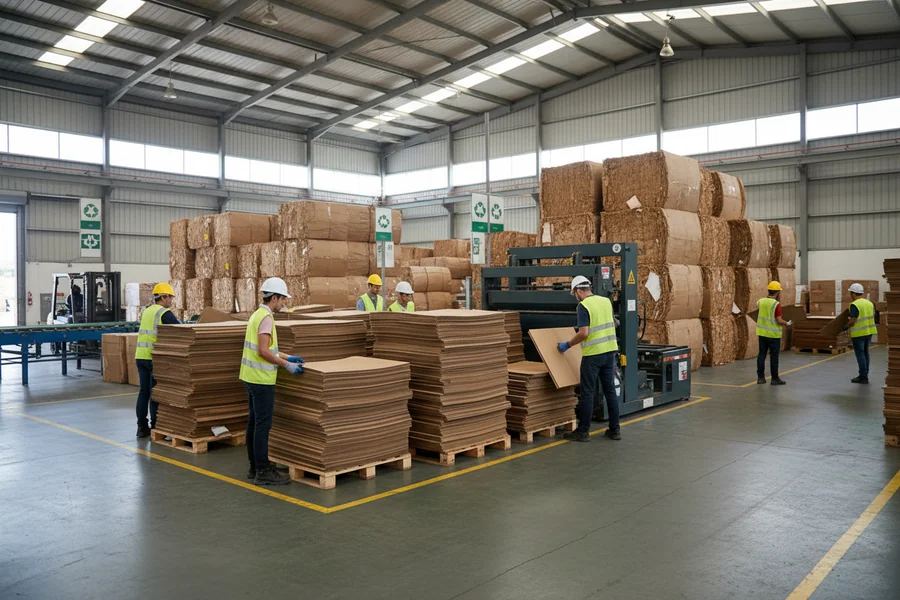
Turning everyday waste into something valuable
For many businesses, cardboard has long been treated as a byproduct—something to flatten, stack, and eventually discard. But that mindset is shifting. As sustainability goals tighten and operational costs rise, companies are starting to see cardboard not as waste, but as a resource that can be managed, optimized, and even monetized.
One of the most effective ways to make that transition is by investing in the right equipment. Solutions like a cardboard baler machine for recycling allow businesses to compress loose cardboard into compact, manageable bales, transforming clutter into something far more practical.
Why cardboard waste is gaining attention
Rising disposal costs and stricter regulations
Waste management is no longer a background expense. Across the UK and beyond, landfill fees and environmental regulations are becoming more stringent, encouraging businesses to rethink how they handle recyclable materials. Cardboard, being both bulky and abundant, often becomes a focal point in this shift.
According to guidance from organizations like WRAP, improving recycling efficiency is one of the most accessible ways for companies to reduce their environmental impact while controlling costs.
The operational impact of inefficient handling
Loose cardboard takes up significant space, creates safety hazards, and requires frequent collection. Over time, these inefficiencies translate into higher labor costs, cluttered workspaces, and missed opportunities to streamline operations.
How cardboard becomes a business asset
Compacting for efficiency
By compressing cardboard into dense bales, businesses can drastically reduce the volume of waste they handle. This not only frees up valuable floor space but also reduces the frequency of waste pickups.
The result is a cleaner, more organized environment that supports smoother day-to-day operations, especially in sectors like retail, logistics, and manufacturing, where packaging waste accumulates quickly.
Unlocking resale potential
Well-compacted cardboard is easier to store, transport, and sell to recycling facilities. Instead of paying for disposal, businesses can generate revenue from materials that would otherwise be discarded.
While margins vary, the principle is simple: better-organized waste has more value. And in industries operating on tight margins, even small returns can make a difference.
Meeting growing expectations around sustainability and responsibility
Turning recycling into a measurable business improvement
Sustainability is no longer just a branding exercise. Customers, partners, and even regulators increasingly expect businesses to show real progress in how they manage resources and reduce waste. According to WRAP, recycling can help businesses reduce costs while lowering environmental impact, making it one of the most practical steps toward more efficient operations.
Improving recycling processes is one of the most visible and practical ways to demonstrate that commitment.
Building long-term habits
Adopting better waste management systems isn’t just about equipment; it’s about changing processes. When cardboard is consistently sorted, compacted, and recycled, it becomes part of a broader culture of resource efficiency.
Why smarter cardboard management is becoming a competitive advantage
What was once considered simple waste is now part of a larger conversation about sustainability, cost control, and operational efficiency. Cardboard, in particular, sits at the intersection of all three.
By rethinking how it’s handled and by using the right tools, businesses can turn a daily inconvenience into a structured, value-driven process. It’s a small shift in perspective, but one that can have a meaningful impact over time.
